
The Second-Hand Economy Is Minting New Millionaires

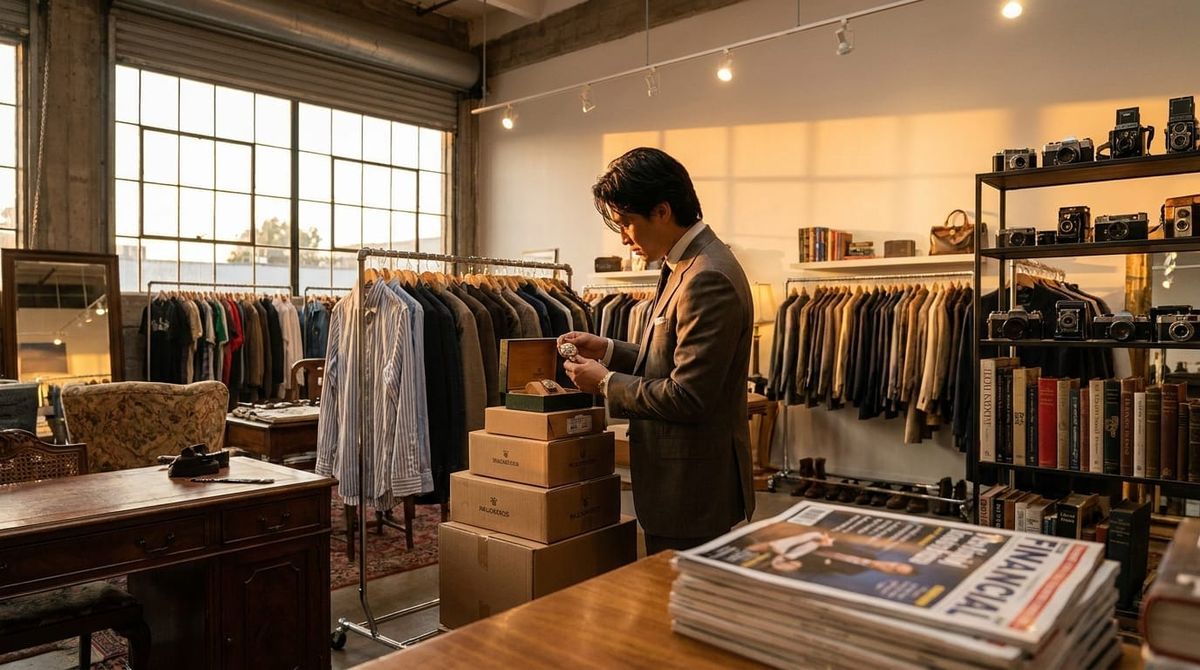
I'll be straight with you - I used to think reselling was a side hustle for college kids flipping sneakers. Then I looked at the numbers. The global secondhand market hit $227 billion in 2023, and platforms like ThredUp are projecting it will reach $350 billion by 2028. That's not a hobby. That's an economy.
And here's what really got my attention: a growing slice of that number is going into the pockets of individual operators - people who figured out the arbitrage before everyone else did. So let me walk you through exactly how this machine works, where the real money is hiding, and what I think the honest risks are.
Where the Money Is Actually Coming From
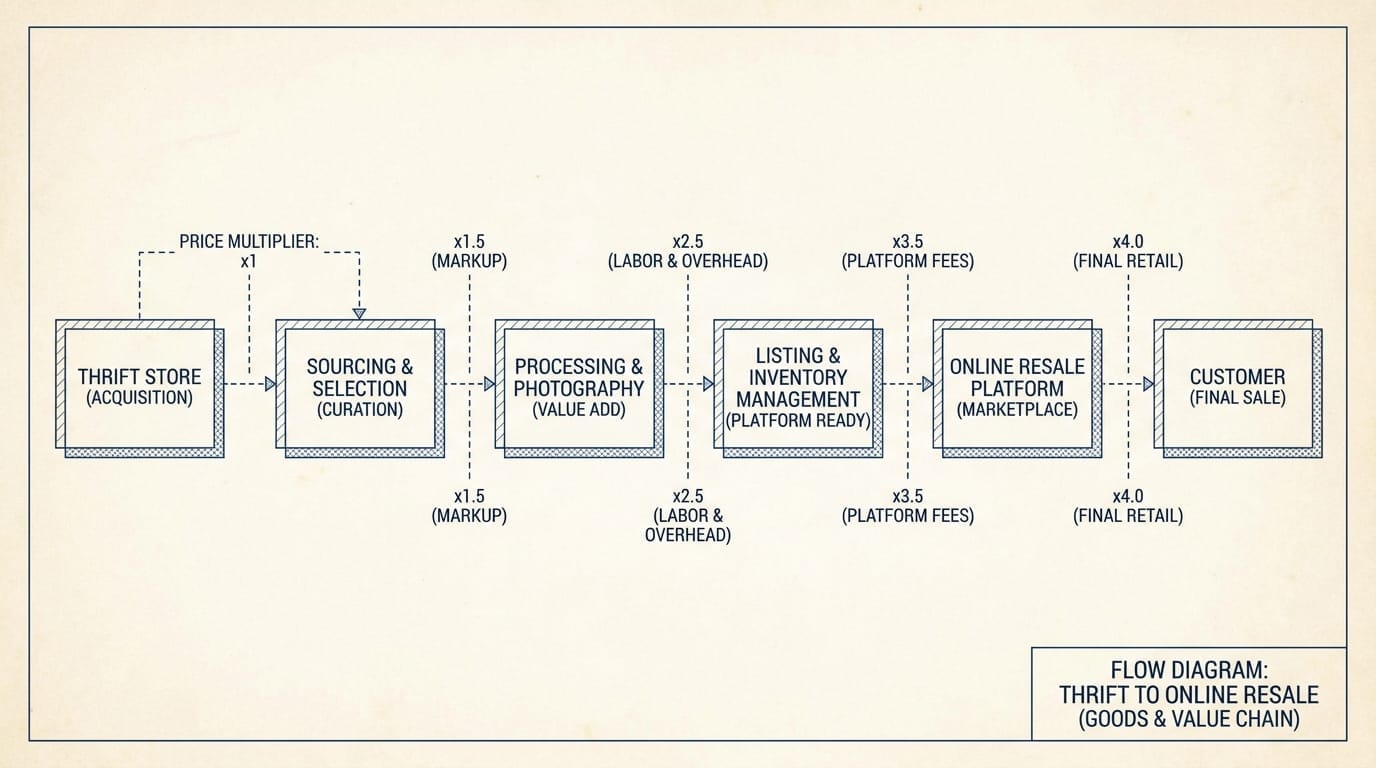
- Platform arbitrage - buying low in one market, selling high in another
- A Levi's denim jacket bought for $6 at Goodwill routinely sells for $65-$90 on Depop or eBay. That's a 10x markup before fees. On $10,000 worth of inventory cycled monthly, that math gets serious fast.
- The gap exists because thrift store pricing is still largely manual and inconsistent. A volunteer pricer in rural Ohio has no idea what a vintage Patagonia fleece fetches in Brooklyn.
- Savvy resellers exploit this gap systematically - not randomly. They use tools like WhatNot's live auction data and eBay's sold listings filter to price with precision.
- Niche specialization driving premium pricing
- Generalist resellers compete on volume. Specialists compete on knowledge. Someone who only sells 1970s Japanese denim or vintage medical equipment commands prices that casual sellers can't touch.
- I've watched a seller on eBay with a feedback score of 4,200 move nothing but vintage fountain pens - average sale price around $180. That's a focused, defensible business.
- Niche depth also builds repeat buyers, which cuts your customer acquisition cost to near zero over time.
- Wholesale and estate lot flipping at scale
- This is where the real volume players operate. Buying liquidation pallets from Amazon returns warehouses (through sites like BULQ or Direct Liquidation) at 10-20 cents on the dollar, then sorting and reselling individual items.
- One operator I read about in a 2023 Inc. profile was clearing $40,000 a month in gross revenue from a 1,200 square foot warehouse doing exactly this.
- But I have to be honest - this model has real overhead. Storage, labor, and return rates can eat your margin fast if you're not disciplined about what lots you buy.
The Platforms Powering This Shift - and What Each One Is Actually Good For
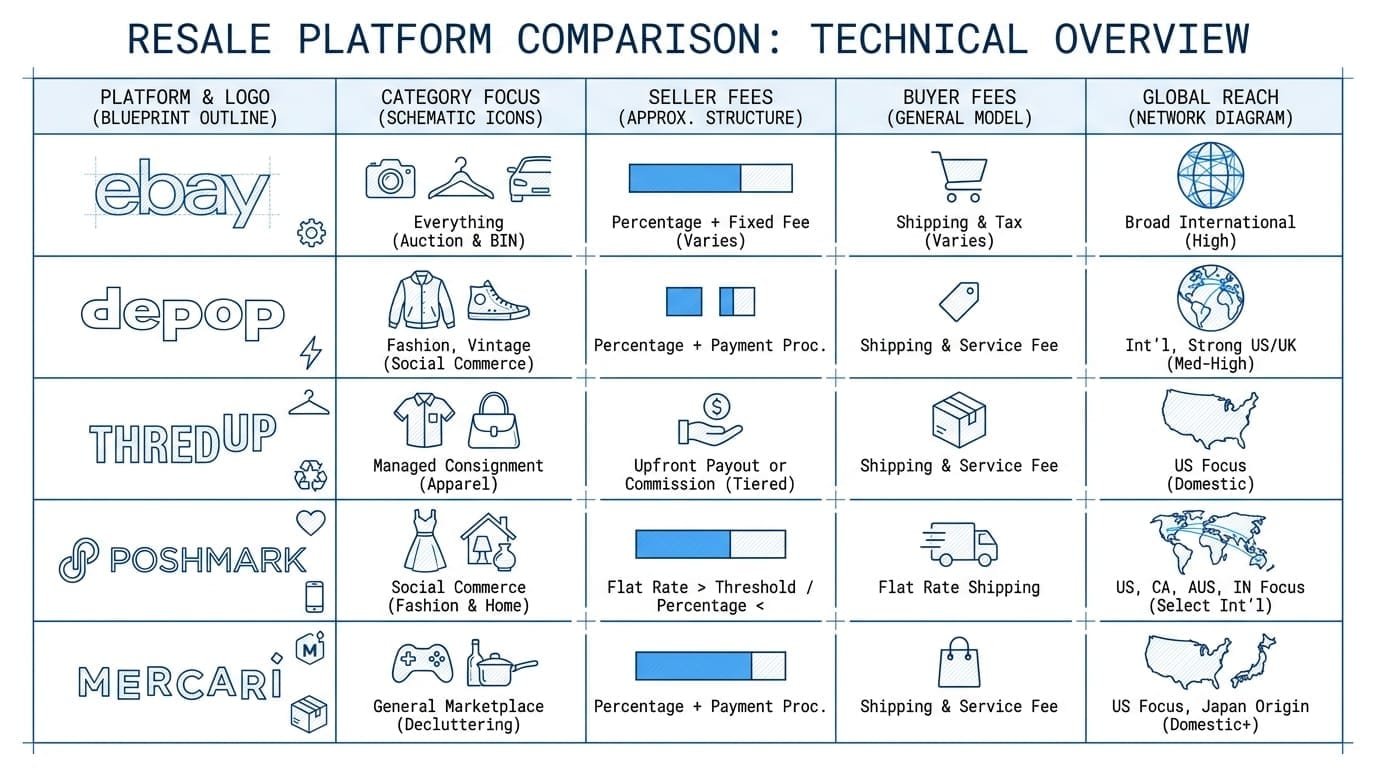
- eBay - still the highest-volume secondhand marketplace on earth
- Over 1.7 billion live listings as of early 2024. The buyer pool is unmatched, especially for electronics, collectibles, and vintage goods.
- eBay's sold listings data is the single best free pricing tool in the resale world. Before you buy anything to flip, check what it actually sold for - not what people are asking.
- The fee structure (around 13.25% for most categories) is real. On a $50 sale, you're handing over about $6.60. Model that in before you buy inventory.
- Depop and Poshmark - where fashion resale lives
- Depop skews younger and trendier - think Gen Z, vintage streetwear, Y2K aesthetics. Poshmark leans toward women's fashion and has a stronger social sharing mechanic that drives organic discovery.
- Poshmark's flat $2.95 fee on sales under $15 and 20% on sales above that is punishing on low-ticket items. Price accordingly or you'll work hard for nothing.
- Both platforms reward consistency. Sellers who list 10+ items per week and share their closet daily see dramatically better visibility than occasional listers.
- ThredUp and The RealReal - the consignment angle
- These platforms handle the selling for you - you ship a bag of clothes, they price and list it. The tradeoff is you get a smaller cut, sometimes as low as 5-15% on lower-value items.
- For high-end designer goods, The RealReal can be worth it - authentication builds buyer trust and supports higher prices. A verified Gucci belt sells faster and for more than an unverified one.
- OK so this model isn't for aggressive resellers. It's better suited for people clearing out a closet who want zero operational hassle.
Here's what I keep coming back to: the secondhand economy isn't a trend that's going to reverse. Younger consumers are structurally more comfortable buying used than any previous generation - 62% of Gen Z bought secondhand in 2023 according to ThredUp's annual resale report. The supply of castoff goods isn't shrinking. The platforms are maturing. And the operators who treat this like a real business - with systems, data, and discipline - are building something that compounds. I'm not saying everyone who opens a Poshmark account gets rich. But the ones who show up with a spreadsheet and a sourcing strategy? Some of them are quietly building net worths that would surprise you.