The Invisible Materials Fueling the Next Tech Boom

I've made my living spotting the trends everyone else misses, and right now, the biggest one is practically invisible. We all see the finished products-the shiny new phone, the quiet electric car, the AI that feels like magic. But I’m looking deeper, at the very atoms that make it all possible.
Rare Earths - The Unseen Engine
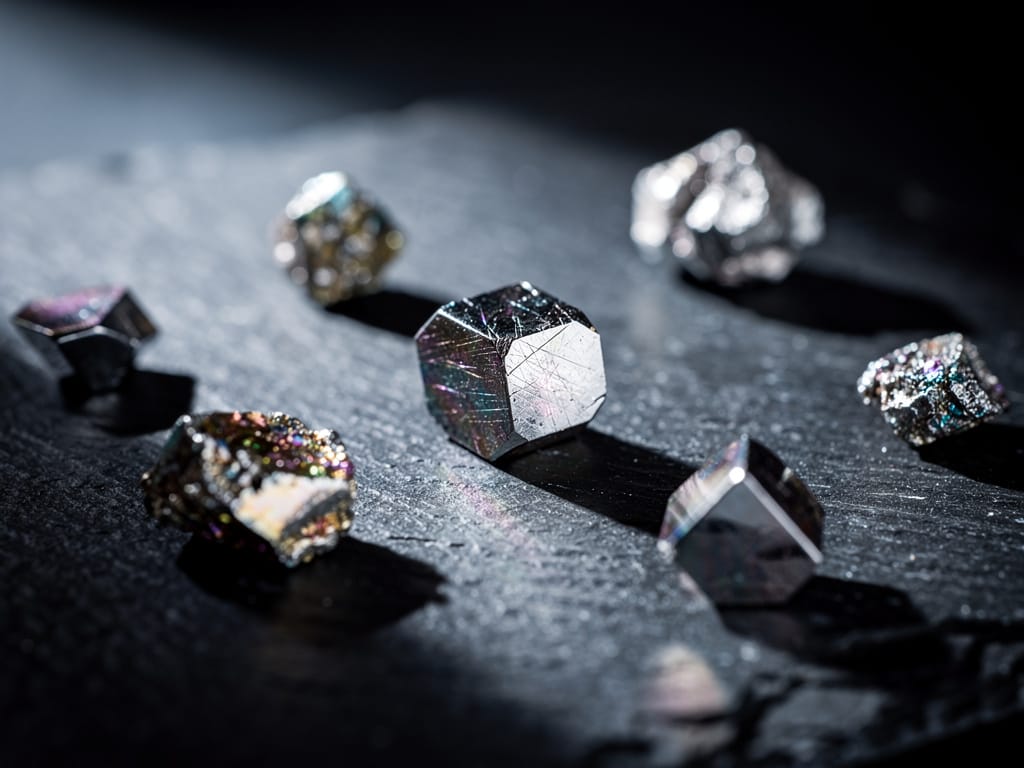
First, let's talk about rare earth elements. These aren't just dirt; they're the secret sauce in the powerful, miniaturized magnets that run our world. That electric vehicle motor, the vibration in your iPhone, the massive generator in a wind turbine-they all depend on elements like neodymium and dysprosium. And here’s the rub: China currently processes about 90% of the world's supply, giving them a frightening amount of leverage over global technology.
So how do I play this? I own a position in the VanEck Rare Earth/Strategic Metals ETF (REMX). It’s a basket of companies involved in producing, refining, and recycling these critical materials. Now I have to be straight with you-this is not a smooth ride. This ETF is volatile and tied to both commodity prices and intense geopolitical friction. But it gives me broad exposure to the entire supply chain, from miners in Australia to refiners trying to build a non-Chinese alternative.
I see this as a decade-long story, not a trade for next quarter. The entire Western world has woken up to the fact that its technological future can't be held hostage. Investing here is a bet that governments will pour billions into building domestic supply chains. It's a messy, high-risk play, but the demand for these materials is only going in one direction.
Specialty Chemicals - The Purity Play
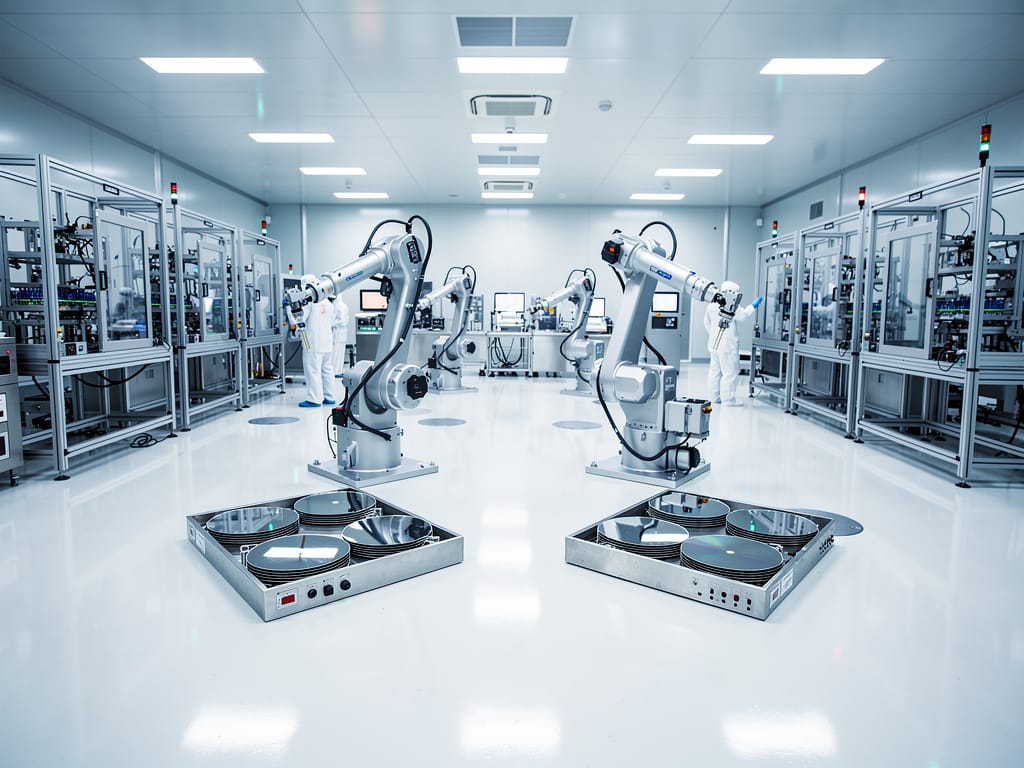
Next up is a sector that's about as boring-and as essential-as you can get: specialty chemicals and industrial gasses. When a company like NVIDIA (NVDA) or Taiwan Semiconductor (TSM) builds a new multi-billion dollar fabrication plant, they need stunningly pure gasses and chemicals to etch the microscopic circuits onto silicon wafers. Without a reliable supply of things like ultra-pure argon or hydrogen chloride, the entire semiconductor industry grinds to a halt.
This is the ultimate 'picks and shovels' investment. I own shares in Air Products and Chemicals (APD), one of the giants in this space. They aren't a sexy tech name, but they are the definition of essential. They have long-term contracts and an enormous moat; you can't just build one of these complex chemical plants overnight. A $10,000 investment in APD today gets you about $288 a year in dividends, or $72 every quarter, just for providing the air that the tech boom breathes.
The risk here is that the semiconductor industry is famously cyclical, with big booms and painful busts. A slowdown in chip demand would certainly hit APD's growth. But the long-term trend of putting chips in everything from cars to coffee makers isn't going away. For me, it’s a stable, dividend-paying way to profit from every single advanced chip that gets made, no matter who designs it.
Advanced Composites - Lighter, Stronger, Faster
The third area I’m watching is advanced composites. This means materials like carbon fiber, ceramic matrix composites, and new metal alloys that are engineered to be lighter and stronger than traditional steel or aluminum. These are the materials that enable a Boeing 787 to be 20% more fuel-efficient or a performance EV to have a rigid chassis for better safety and handling. It's all about doing more with less.
A company I watch closely in this space is HEICO (HEI), which makes FAA-approved replacement parts for the aerospace industry. They often use advanced materials to make parts that are lighter and last longer than the originals, which saves airlines a fortune on fuel and maintenance. It's a brilliant business model, selling savings directly to your customers. Every pound they shave off an airplane drops directly to an airline's bottom line.
OK, I'll be honest, this is the trickiest of the three to invest in directly, as there aren't many pure-play composite companies for individuals. I don't currently have a direct holding here. Instead, I use it as a lens to analyze other industrial and tech companies. Are they innovating with materials? It tells me a lot about their long-term competitive advantage. It's on my watchlist, but I haven't found the right entry point yet.
- Rare earths are the high-risk, high-reward bet on the global hardware upgrade for EVs and green energy.
- Specialty chemicals are the 'picks and shovels' of the semiconductor gold rush-a less volatile way to profit from every chip made.
- Advanced composites are the long game, a bet on physical efficiency that I'm watching as a key sign of innovation in other companies.