
The Quiet Boom in Alternative Agricultural Investing

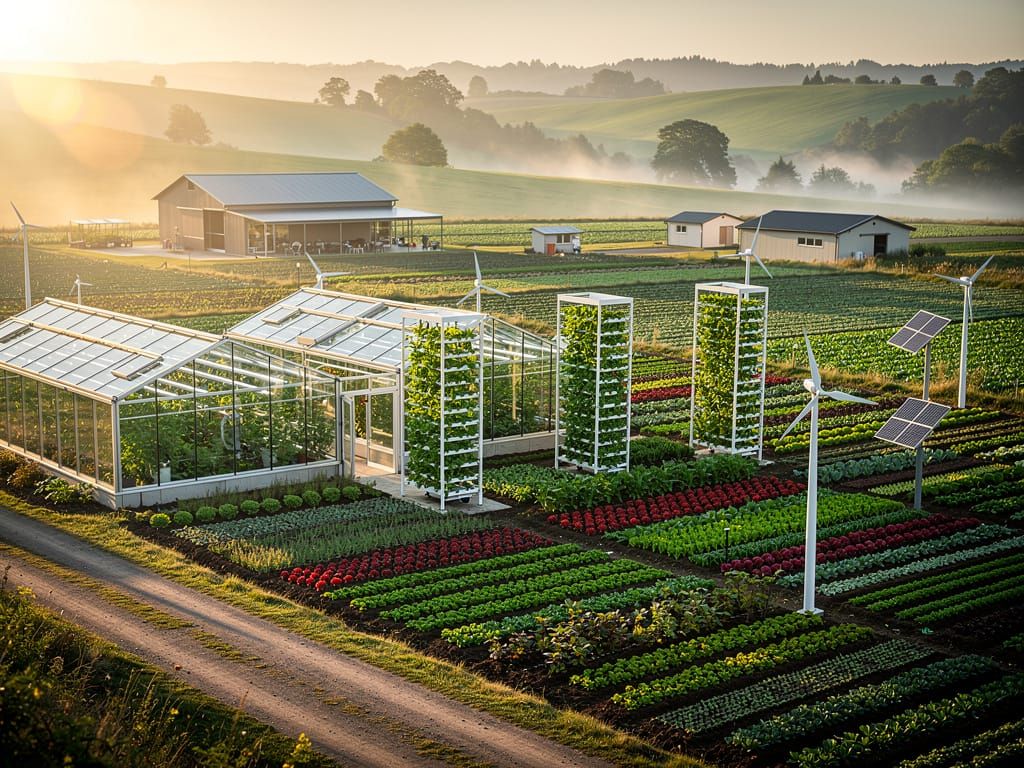
The Real Dirt on Making Money
Let's have a real chat. While everyone's eyes are glued to the latest tech IPO or the dizzying swings of cryptocurrency, something else has been quietly growing in the background-literally. I'm talking about agriculture, but probably not the kind you're picturing with a red barn and a tractor. We're talking about a modern, tech-infused, and surprisingly accessible world of alternative agricultural investing. It's a space that's not flashy, it won't make you a millionaire overnight, but it's tied to the single most non-negotiable human need: food. And that, my friend, is what makes it so powerful.
Think about it. The world's population is growing, but the amount of arable land isn't. This simple fact creates a fundamental supply-and-demand imbalance that smart investors can position themselves to benefit from. This isn't about buying a whole farm yourself (unless you want to!). It's about finding opportunities in the niches-the technology that makes farms more efficient, the unique crops that command premium prices, and the platforms that let you own a small piece of productive land without ever having to pull on a pair of boots.
You're not just investing in a company; you're investing in a tangible asset that produces something the world will always need. It's a grounding feeling, a stark contrast to the often-abstract nature of stocks and digital assets. It's a long-term play that can offer stability and a hedge against the inflation that eats away at our savings. So, if you're looking for an investment that feels a little more real, something you can truly understand, then you're in the right place. Let's break down exactly how you can get started.
Your Practical Roadmap to Agricultural Investing
Getting into this space might seem complicated, but it's more straightforward than you think. You don't need a background in farming, just a clear strategy. Here’s a step-by-step method to get you started on the right foot.
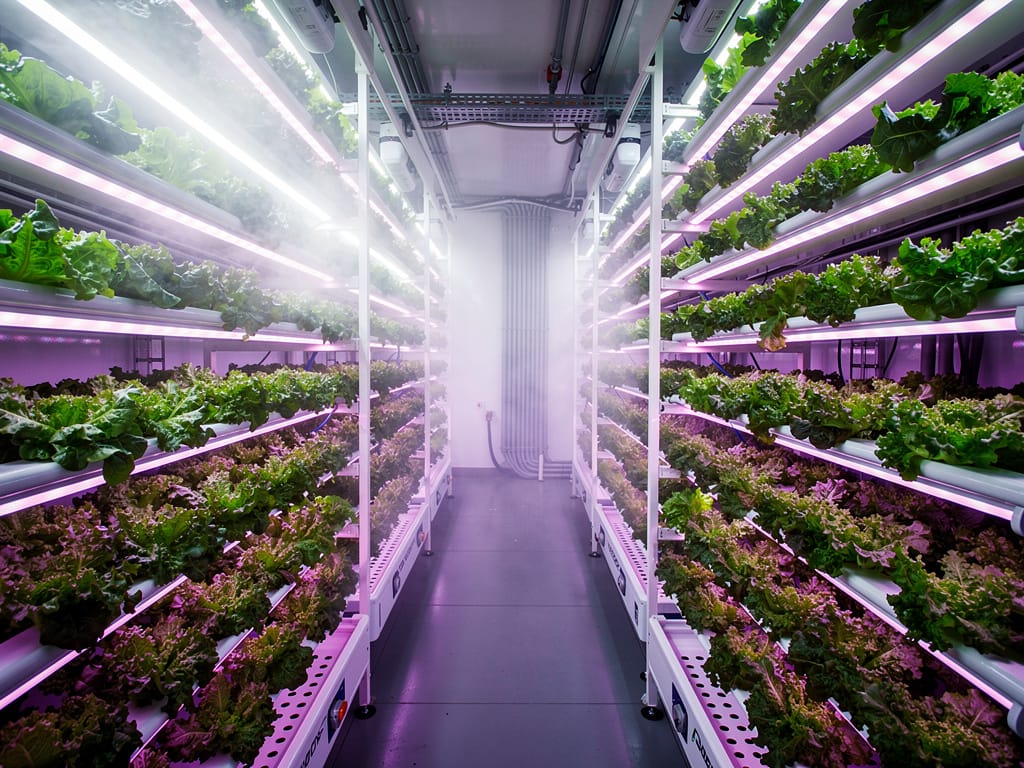
- Educate Yourself on the Niches: Before you put a dollar anywhere, understand the landscape. Look into AgTech, which includes everything from field drones and soil sensors to management software. Explore Controlled Environment Agriculture (CEA), like the vertical farms popping up in cities. And don't forget specialty crops-things like ginseng, saffron, or specialty mushrooms can have incredibly high returns.
- Explore Investment Platforms: The barrier to entry has crumbled thanks to technology. Crowdfunding platforms focused on agriculture allow you to buy fractional ownership in farmland or specific farm projects. This lets you get started with a much smaller amount of capital than was ever possible before, spreading your risk across different properties or crop types.
- Consider Ag-Focused Funds: If you prefer a more hands-off approach, look into agricultural ETFs or REITs (Real Estate Investment Trusts). These funds bundle together a variety of agricultural assets, from farmland to companies that produce fertilizer or equipment. It’s a great way to get broad exposure to the entire sector with a single investment.
- Start Small and Diversify: This is a golden rule for any type of investing, and it's especially true here. Don't go all-in on a single project. Start with a small position to get a feel for how these investments perform. As you get more comfortable, you can gradually increase your allocation, always making sure it's part of a well-diversified portfolio.
Key Trends Powering the Boom
This isn't just about a growing population. Several powerful trends are making this sector even more attractive for the coming decade. Keeping an eye on these can help you spot the best opportunities before they become mainstream.
- Water Scarcity: It's a tough reality, but water is becoming an increasingly precious resource. This makes investments in water rights, efficient irrigation technology, and even desalination incredibly valuable.
- Sustainable and Organic Demand: Consumers are more conscious than ever about where their food comes from. They're willing to pay a premium for organic, non-GMO, and sustainably farmed products. This creates a huge opportunity for farms and companies that cater to this demand.
- Supply Chain Innovation: A shocking amount of food is wasted between the farm and the table. Companies developing technology to improve logistics, tracking, and preservation are solving a massive problem and offer a compelling investment angle.
- High-Value Niche Crops: As global palates expand, the demand for specialty ingredients is soaring. Think about the economics of crops like saffron, vanilla, or even wasabi. They require specific conditions and expertise, creating a moat for producers and a great opportunity for investors.

Look, I get it. This kind of investing doesn't have the same thrill as catching a hot stock tip. It's slow, it's steady, and it's decidedly unsexy. But building real, lasting wealth often is. It's about making smart, informed decisions based on undeniable, long-term trends, not chasing fleeting headlines. Investing in the systems that feed humanity is one of the most grounded financial decisions you can make.
So next time you're reviewing your portfolio, think about adding something tangible to the mix. It might just be the quiet, consistent performer that helps you sleep better at night. By looking at the fields where others aren't, you might just find the most fertile ground for growing your wealth for years to come.