The Profit Hidden in Industrial Waste Streams

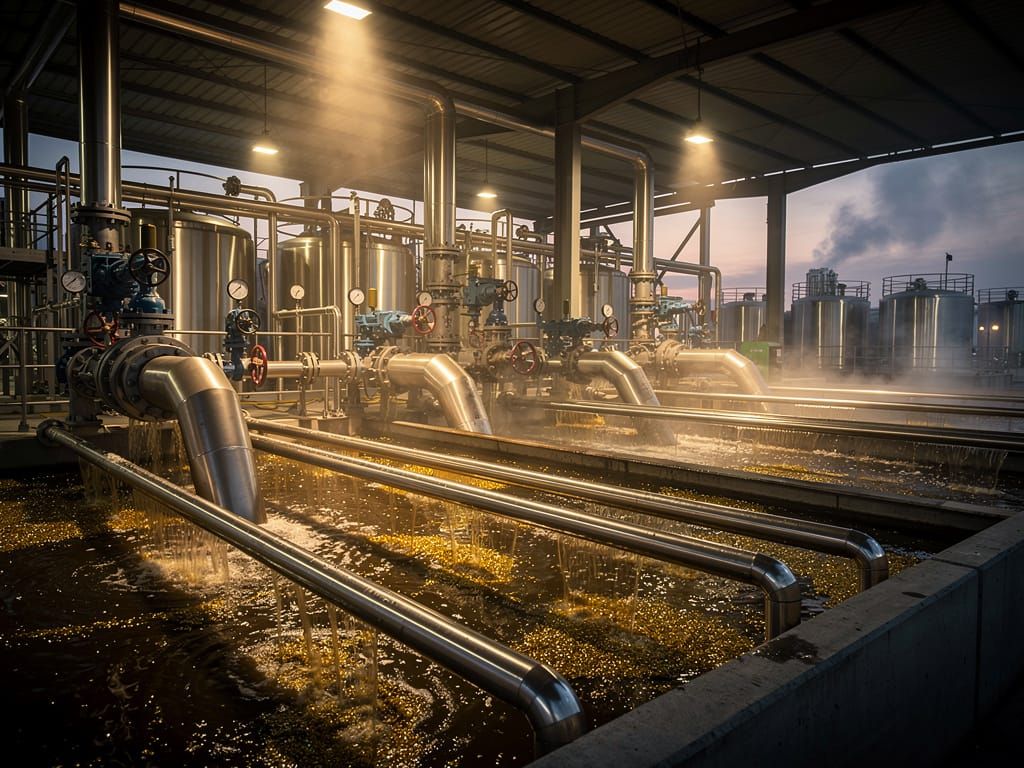
Most people look at a factory and see two things coming out: the product they sell and the trash they pay to get rid of. I've spent years training my eye to see a third thing: a hidden, and often massive, profit stream. The gap between seeing industrial waste as a costly liability and seeing it as a raw material is where fortunes are being made right now. I'm putting my own money there.
Before: The Costly Problem of 'Trash'
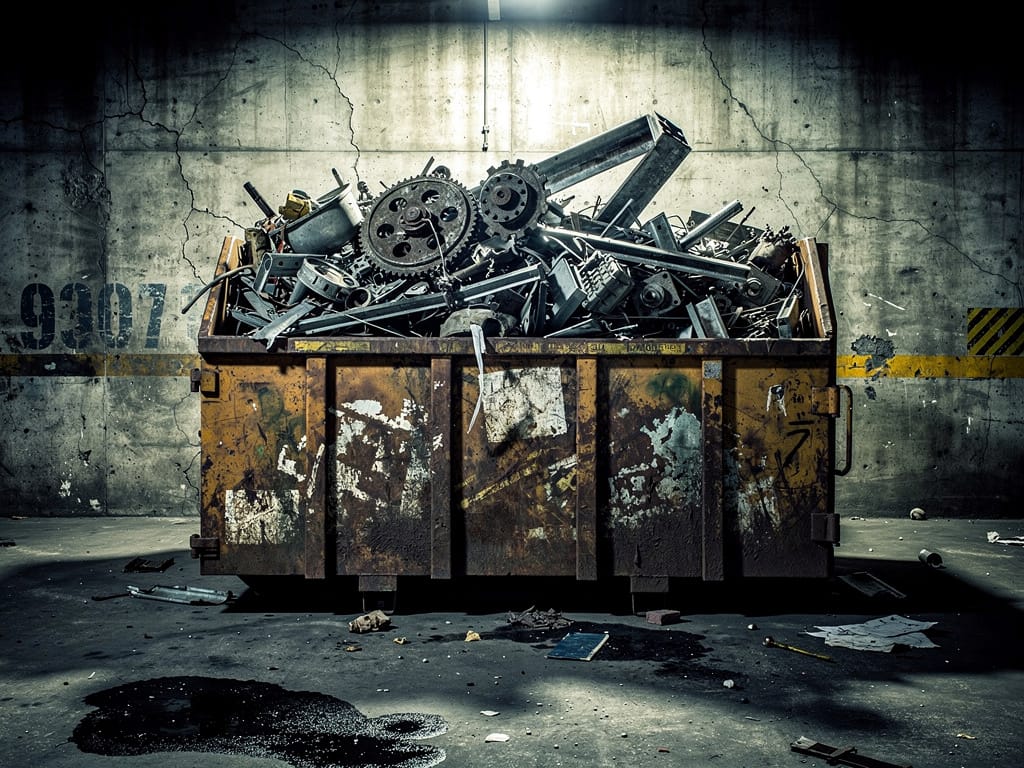
For decades, the CFO's playbook on waste was brutally simple: minimize it if you can, but ultimately, write a check to make it disappear. It's a line item called 'Waste Disposal Fees' or 'Environmental Services', and it's a pure drag on earnings. Every dollar spent to haul away scrap metal, spent solvents, or food processing byproducts is a dollar that doesn't go to shareholders, research, or growth.
This isn't a small problem. It's a constant, bleeding wound on the income statement for thousands of businesses. They see a pile of gunk or a barrel of sludge and their brain registers 'cost' and 'headache'. They have to comply with regulations, manage logistics, and carry the environmental liability on their books. It's a defensive game of minimizing a negative, and in that mindset, there is absolutely no room for opportunity.
After: Turning Liabilities into Revenue Streams
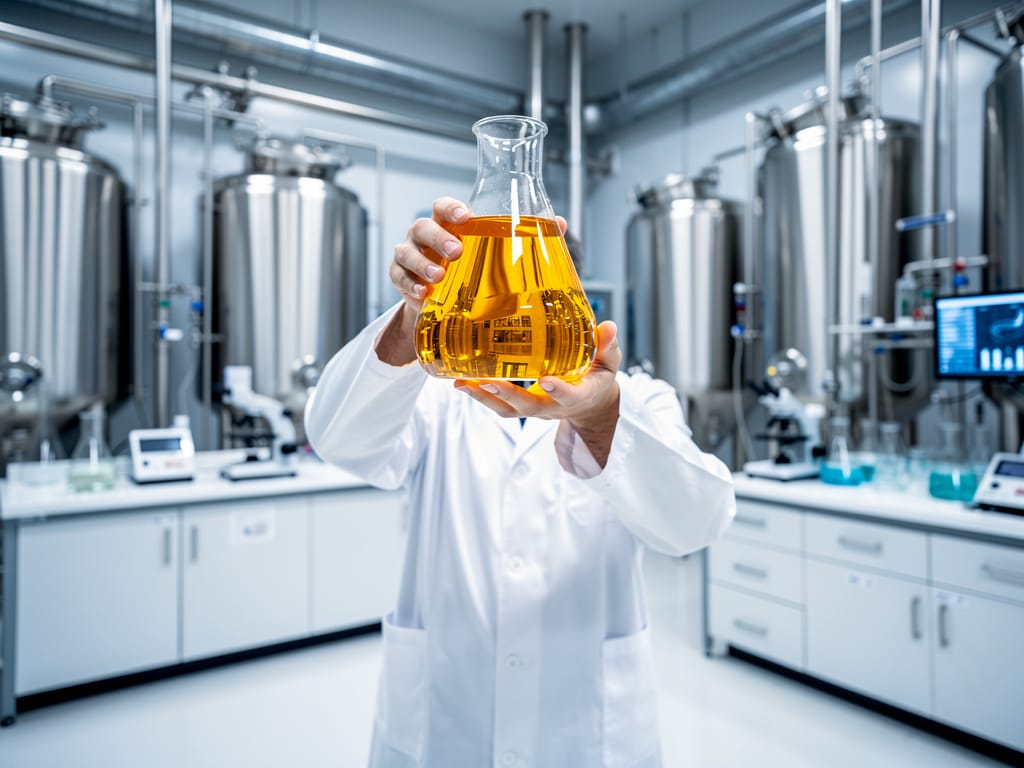
So, what's the alternative? You find the companies that have built a business model on turning that liability into an asset. I'm talking about specialists who look at that same barrel of sludge and see a high-margin, refined product. It completely flips the script from a cost center to a revenue generator.
Let's talk specifics. I own shares in a company called Darling Ingredients, ticker DAR. They are masters of this. They take waste products from the food industry- I'm talking used cooking oil from restaurants and animal byproducts from processing plants- and transform them into valuable goods like renewable diesel, collagen, and organic fertilizers. Last year, they generated over $6.5 billion in revenue from stuff other companies literally pay to throw away. This isn't some feel-good fantasy; it is a powerful economic engine.
The transformation is profound. Waste is no longer waste. It's a feedstock. A cost becomes a commodity. Instead of paying to have it hauled to a landfill, a business might now sell its 'waste' to a specialist like Darling. The financial impact is twofold: the original business cuts a major expense, and the specialist company builds a billion-dollar enterprise on a raw material that others saw as worthless.
The Bridge: How to Get There
OK, so how do you actually find these plays and invest in them? It's not about dumpster diving. It's about following a clear process to identify the companies that are building the bridge from waste to wealth.
- Identify the Waste Stream. First, you have to train your eyes to see the opportunity. Read the annual reports of industrial or agricultural companies. What are their biggest byproducts? What do they disclose about their disposal costs? The bigger and more consistent the waste stream, the bigger the opportunity for a specialist to solve it.
- Find the Specialist. Next, you find the companies that have built a business around being the solution. For animal fats and food waste, it's DAR. For hazardous industrial and chemical waste, a company I'm watching is Clean Harbors, ticker CLH. These companies aren't garbage collectors; they are highly specialized chemical and materials processors.
- Analyze the Economics. Pull up their quarterly reports. You're looking for a few key things. Are their input costs (the 'waste' they acquire) stable or even negative? Are their margins on the finished products expanding? Is revenue growing consistently? You want to see a company that has a technological edge and is scaling its operations efficiently.
- Understand the Risk. Now, I have to be straight with you. These are not buy-and-hold-forever names without any worries. Their profitability is often tied to commodity prices. The price of diesel fuel, for example, directly impacts DAR's renewable diesel segment. Regulatory changes from the EPA can also change the game overnight. This is an investment, not a magic trick, and it requires you to pay attention.
It's not a glamorous sector. We're talking about industrial sludge and leftover animal parts. But the returns can be beautiful. It's about a fundamental shift in perspective- seeing the asset hidden inside the liability. I'm watching this space closely because for my money, that's where the real, uncrowded profit is.