
The Overlooked Investment Boom in Last-Mile Logistics


The Real Money Isn't on the Website
I’ve been watching the e-commerce giants for a long time, and frankly, I’ve done well with them. But lately, my attention has shifted. I’m looking past the digital storefronts and the slick marketing campaigns to the gritty, physical end of the transaction. I’m talking about the final, chaotic, and incredibly expensive journey of a package from a local distribution hub to your front door. This is the 'last mile,' and I believe it's one of the most compelling and overlooked investment stories playing out right now.
It’s easy to get excited about the company that makes the sale, but the real operational challenge is getting that product to the customer quickly and cheaply. The last mile is notoriously inefficient, often accounting for more than 50% of a product's total shipping cost. Think about it. It’s the final leg of a relay race, but the runner has to navigate a maze of city traffic, confusing apartment complexes, and the ever-present threat of porch pirates. And as our demand for one-day or even same-hour delivery grows, the pressure on this part of the supply chain is becoming immense.
Where I'm Putting My Capital
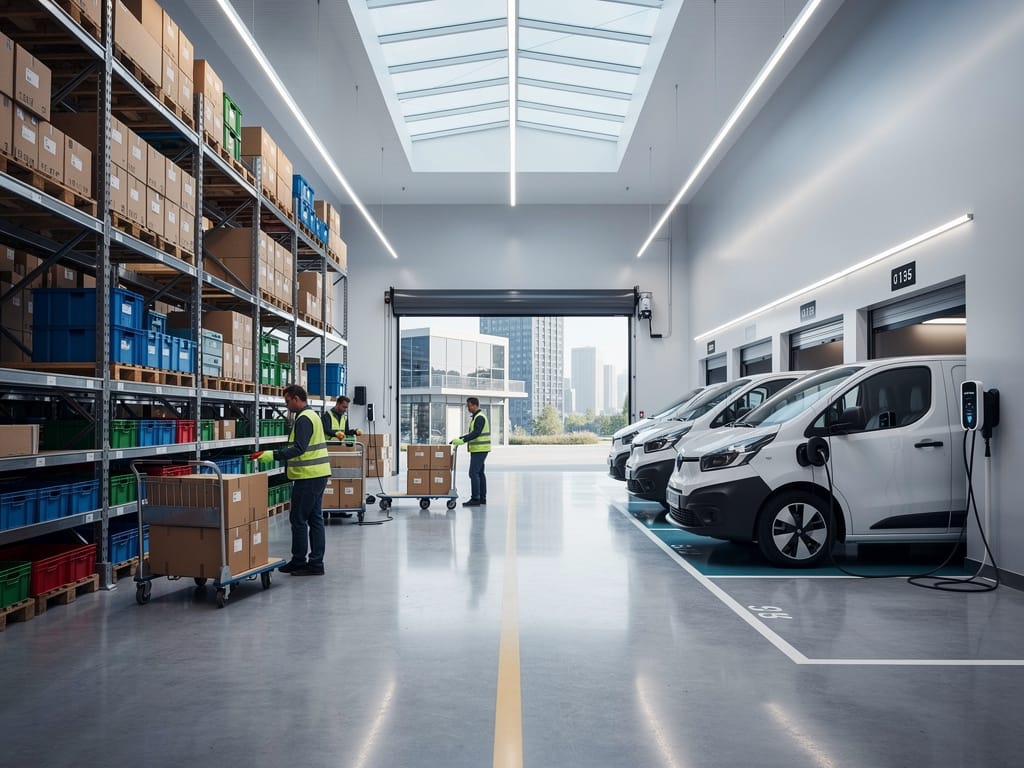
So, where's the opportunity? For me, the most straightforward play is in the real estate that makes this all possible. I’m talking about the small, strategically located urban warehouses and industrial properties that are absolutely essential for rapid delivery. I’ve been steadily adding to my holdings in industrial REITs that specialize in this exact type of property. The big player here is Prologis (PLD), which is a core holding for me, but there are smaller, more focused funds to watch as well. The appeal is twofold: you get the potential for property appreciation as demand for these spaces soars, and you collect a dividend along the way.
Let’s translate that into real dollars. A solid industrial REIT might have a dividend yield around 3.2%. It doesn't sound like much, but on a $20,000 investment, that's $640 a year in cash, or $160 deposited into your account every quarter, just for owning the physical backbone of modern commerce. Now, I have to be straight with you- this isn't a risk-free bet. Higher interest rates can put pressure on real estate values, and a serious economic downturn could slow consumer spending and thus the need for warehouse space. I see this as a long-term position, not a quick trade.
Don't Forget the Brains of the Operation
Beyond the physical buildings, I'm also watching the technology that optimizes this entire process. The last mile is a massive logistical puzzle, and the companies solving it with software, robotics, and automation stand to win big. This includes everything from route-planning algorithms that save fuel and time to the development of delivery drones and autonomous ground vehicles. This side of the investment is definitely more speculative, and honestly, I'm not smart enough to pick the individual tech company that will come out on top ten years from now.
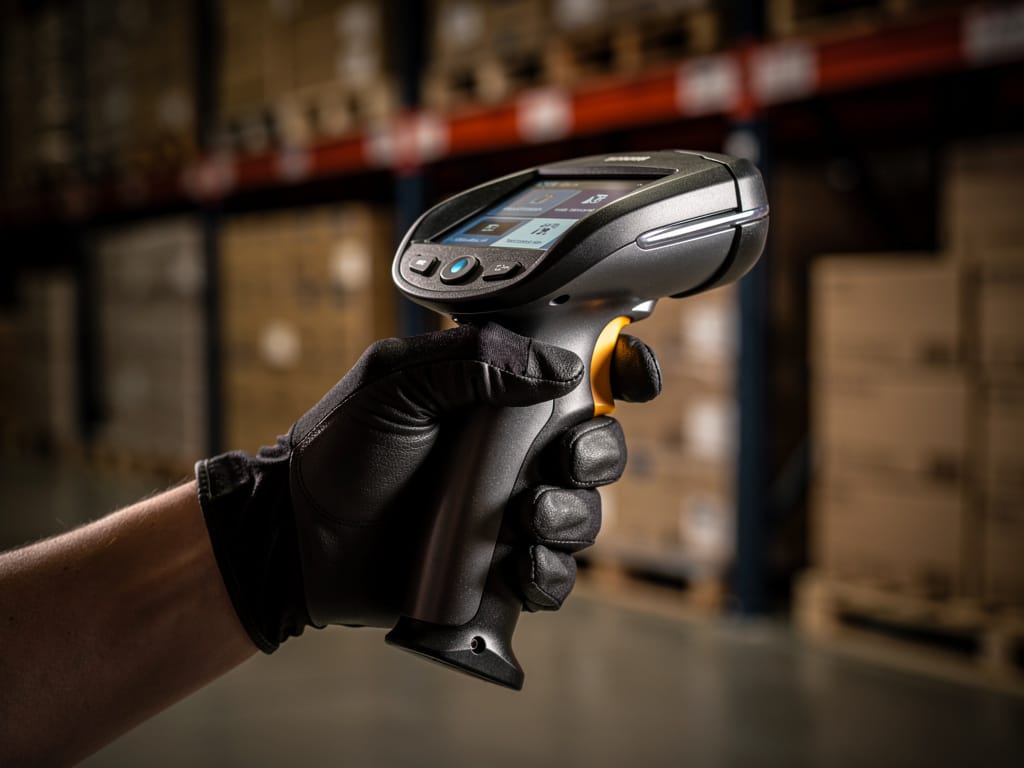
Because of that uncertainty, I don't own single stocks in this space. Instead, I hold a small position in a broad robotics and artificial intelligence ETF. This gives me exposure to a basket of companies working on these problems without forcing me to bet the farm on a single technology that might not pan out. It’s my way of participating in the upside of this technological shift while managing the very real risk that many of these ambitious projects will fail. For me, it's a sensible way to invest in the future of logistics without trying to be a venture capitalist.
This is a fundamental shift in how commerce works, and I am positioning my portfolio accordingly.