
Running Your Household Finances Like a CFO


The CFO Mindset: From Corporate to Kitchen Table
When I was a CPA, the Chief Financial Officer was the second most important person in the room. The CEO has the vision, but the CFO tells them if the vision is possible. They manage capital, measure risk, and report on the financial health of the business. And I’ve found that most households are run without one. A recent survey showed that a staggering 57% of Americans don't even track their net worth, which is the single most important measure of a company’s-or a family’s-long-term health.

Your Personal 'Income Statement'
Forget the word 'budget'. It sounds like restriction. A CFO doesn't 'budget'; they manage the Income Statement. It’s a simple document: money in versus money out. This is your cash flow. Looking at the latest Consumer Expenditure Survey from the Bureau of Labor Statistics, I saw the average U.S. household has annual expenditures of $72,967. That's about $6,080 a month going out the door. Do you know your number? Not a guess-the exact number. Knowing it is the first step to controlling it. It’s not about cutting lattes; it’s about knowing where every single dollar is deployed.
The 'Balance Sheet' of Your Life
So, if cash flow is the engine, the Balance Sheet is the scoreboard. This is your net worth. It’s a snapshot in time of what you own (assets) versus what you owe (liabilities). It is the truest measure of your financial progress. According to the most recent Federal Reserve data, the median net worth for a U.S. family is $192,900. That number tells a story. For some, it’s a story of progress. For others, it’s a wake-up call. I update my personal balance sheet on the first of every month, and it takes me less than 15 minutes. It’s the most valuable 15 minutes of my month, without question.
Capital Allocation: Your Most Important Job
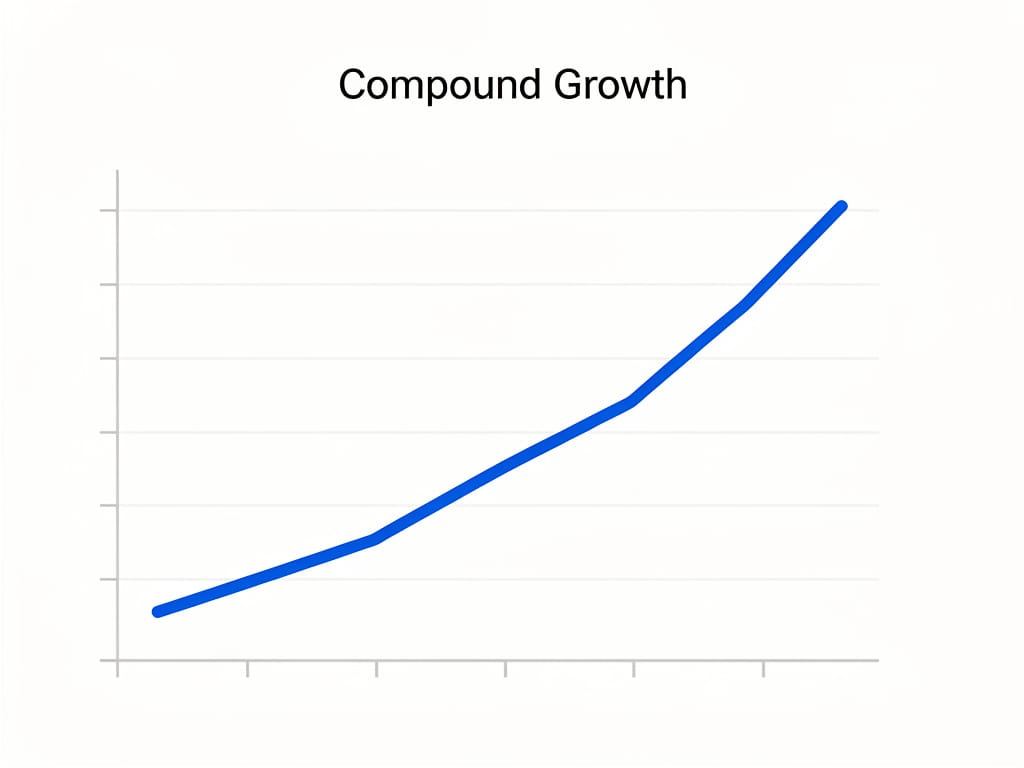
OK, so you're tracking your cash flow and your net worth. Now comes the real work of a CFO: capital allocation. This is just a fancy term for deciding where your extra money goes. Pay down the mortgage? Max out the 401(k)? Invest in that dividend stock I’m watching? These are capital allocation decisions. The difference they make is enormous. Let's say you find an extra $500 a month. If you allocate that to an investment portfolio averaging an 8% annual return, in 30 years you’re looking at over $734,000. That's not magic. It's the result of a CFO making deliberate, consistent decisions over time.
A good CFO lives and dies by their Key Performance Indicators (KPIs). These aren't complicated spreadsheets, just a few core numbers that tell you if you're winning or losing. Here are the ones I track for my own household:
- Savings Rate: This is your after-tax savings divided by your gross income. I always aimed for a minimum of 15%, but the higher, the faster you build your capital base.
- Net Worth Growth (YoY): Are you wealthier this year than last? A healthy, growing portfolio and consistent savings should put you in the 7-10% growth range on average over the long term.
- Debt-to-Income (DTI) Ratio: Lenders get nervous when this number-your total monthly debt payments divided by your gross monthly income-creeps above 36%. It's a key indicator of financial fragility.
- Investment Performance vs. Benchmark: I compare my portfolio's annual return against the S&P 500. Over the last 30 years, the S&P 500 has returned an average of about 10.7% annually. This tells me if my investment strategy is working.
The goal of all this tracking isn't to create charts. It's to give you the data to make better decisions. A FINRA study I read recently found that only 34% of Americans could pass a basic financial literacy test. Adopting the CFO mindset is the antidote. It replaces financial anxiety with financial clarity. You stop reacting to bills and start proactively directing your capital toward the life you want to build. This isn't about pinching pennies; it's about taking control of the machine.
This is the fundamental shift that took me from earning a salary to living off my investments. I stopped being just an employee in my own life and became the CFO. And the data is clear on what happens when you have a plan. The CFP Board found that households with a comprehensive financial plan have a median net worth nearly 2.7 times higher than those with no plan at all. That’s not an opinion. It’s the bottom line.
Subscribe