
Liquid Gold: The Investor's Guide to Water Scarcity

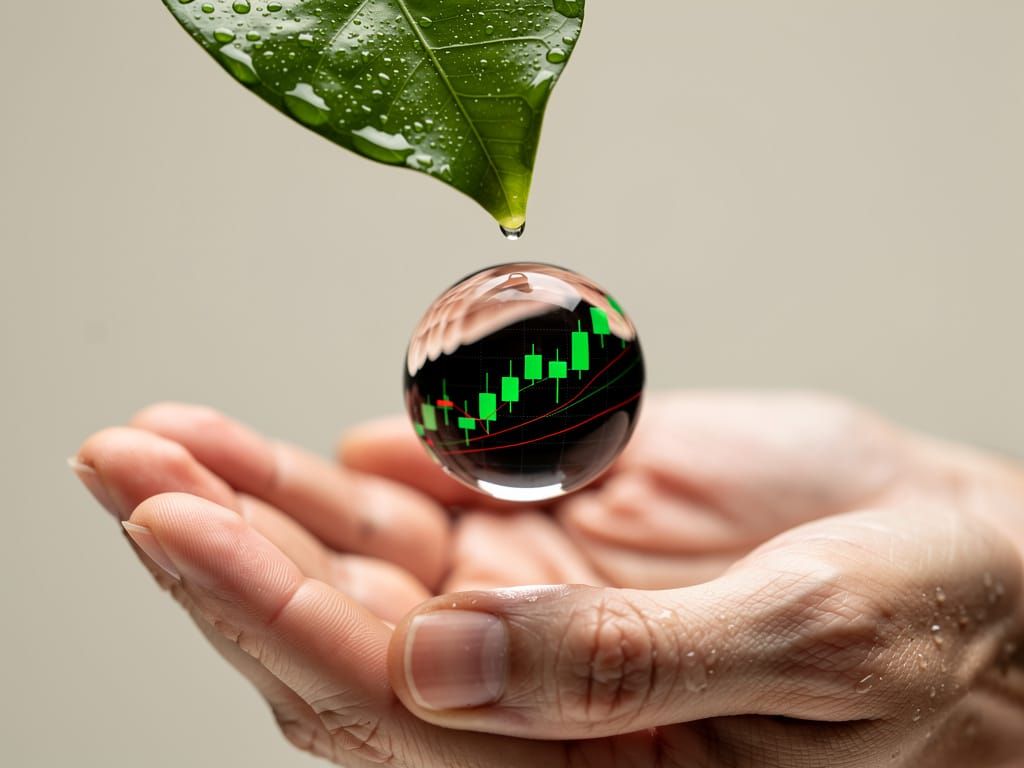
While others chase fleeting trends in tech or volatile cryptocurrencies, a far more fundamental and powerful opportunity is flowing right beneath our feet. Water, the source of all life, is becoming one of the 21st century's most critical and strategic assets. It's not just a resource; it's the bedrock of agriculture, industry, and human survival. Yet, due to a combination of population growth, industrialization, and shifting climate patterns, our global supply of fresh, clean water is under immense and growing pressure. This isn't a distant problem-it's a present-day reality creating an economic shift you cannot afford to ignore.
This growing gap between supply and demand is creating one of the most compelling, long-term investment theses of our generation. Investing in water isn't about betting against humanity; it's about funding the solutions that will secure our future. It means channeling capital into the companies building modern purification plants, developing smart irrigation technology, and replacing aging, leaky pipelines. You have a unique chance to get ahead of this massive trend, positioning your portfolio to benefit from the wave of innovation required to solve global water challenges.
Forget thinking of it as just another commodity like oil or gold. Water has no substitute. This simple fact gives it an unparalleled economic moat. As an investor, your role is to identify the choke points in the water value chain-the areas where technology, infrastructure, and management create immense value. By understanding this landscape, you can transform a global challenge into a portfolio-defining opportunity, aligning your financial growth with a sustainable, world-altering mission. This is where true wealth is built: at the intersection of foresight and necessity.
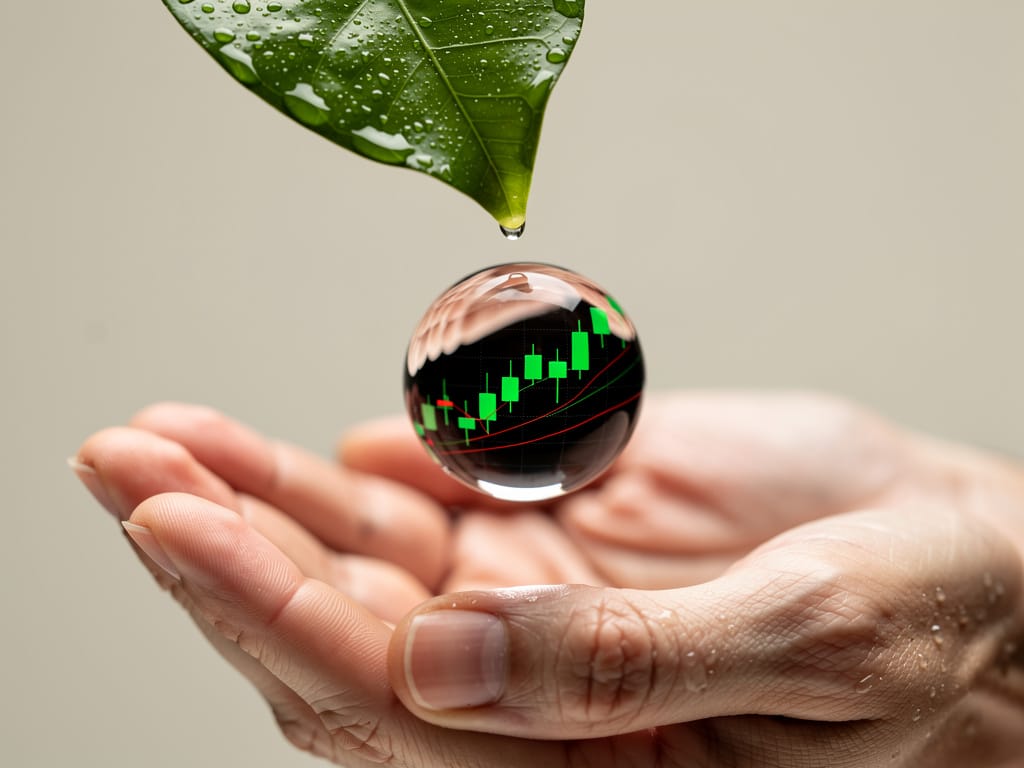
- Water is an essential, non-substitutable asset facing a global supply-demand imbalance.
- Population growth and industrial demand are the primary drivers of long-term water scarcity.
- Investing in water focuses on companies providing solutions like infrastructure, technology, and purification.
- This trend represents a long-term opportunity to align financial goals with positive global impact.
Frequently Asked Questions

How can I actually invest in water?
Direct ownership of water rights is complex and generally inaccessible for the average investor. Instead, the most practical approach is through the stock market. You can buy shares in water-focused Exchange-Traded Funds (ETFs) like the Invesco Water Resources ETF (PHO) or the First Trust Water ETF (FIW). These funds provide instant diversification by holding a basket of companies across the entire water industry, from utilities that deliver your tap water to the tech firms that create advanced filtration systems.
For a more hands-on approach, you can invest in individual companies. These generally fall into three categories: water utilities (e.g., American Water Works), which operate as stable, regulated monopolies; infrastructure companies that build pipelines, pumps, and treatment plants; and technology providers that specialize in areas like desalination, smart metering, and water testing. This allows you to target the specific parts of the water sector you believe have the most growth potential.
Isn't it unethical to profit from a basic human need?
This is a fair and important question, but it helps to reframe the perspective. You aren't profiting from thirst; you are investing in the solution to scarcity. The massive infrastructure projects required to secure clean water for a growing population-new reservoirs, desalination plants, city-wide pipe replacements-are incredibly expensive. Public funding alone is often insufficient to meet the demand. Private investment is absolutely necessary to fuel the innovation and construction needed to solve these problems.
By investing in a company that develops more efficient irrigation systems or a utility that purifies water for a community, your capital is directly enabling progress. You are backing the engineers, scientists, and planners who are on the front lines of the water crisis. Smart, ethical investing in this space means directing money toward companies that are good stewards of the resource and are actively making water safer, more accessible, and more sustainable.
What are the biggest risks in water investing?
While the long-term demand for water is certain, investing in the sector does carry specific risks. The most significant is regulatory risk. Because water is a public necessity, the industry is heavily regulated by government bodies. A sudden change in policy regarding water pricing or environmental standards can directly impact a company's revenue and profitability, making it a key factor to watch.
Additionally, the water industry is extremely capital-intensive. Building and maintaining infrastructure like dams, pipelines, and treatment facilities requires enormous upfront investment, which can suppress short-term profits. Finally, public perception and political headwinds can also pose a risk, as the debate over the privatization and pricing of a public good is always ongoing. These factors require careful consideration before allocating capital.
What's the long-term outlook for water as an investment?
The long-term outlook is exceptionally strong, driven by fundamentals that are not going away. The world's population is projected to approach 10 billion by 2050, and developing nations are rapidly industrializing-both of which place enormous strain on existing water resources. These are not cyclical trends that will fade next quarter; they are multi-decade tailwinds that create a sustained need for investment and innovation in the water sector.
Unlike other commodities, the demand for water is inelastic and will only grow. This makes the companies that control, treat, and transport it increasingly valuable over time. For the patient investor with a long-term horizon, water represents a strategic allocation to one of the most undeniable and critical themes of this century. It's an opportunity to invest in a resource that is, and always will be, the foundation of our global economy.