Is Your Savings Account Secretly Holding You Back?


Saving money feels responsible. It is responsible. But there is a difference between keeping money safe and letting it sit in a place that quietly slows your progress.
That is the real issue in 2026. Many people are doing the right thing by saving, but they are keeping too much cash in low-paying accounts while inflation is still eating into purchasing power. Bankrate says the national average savings account yield is 0.59% APY as of April 27, 2026, while many of the best high-yield savings accounts are paying around 4% APY. At the same time, the Bureau of Labor Statistics says consumer prices were up 3.3% year over year in March 2026.
Saving Is Good, But the Wrong Account Can Be Expensive
A savings account is supposed to give you security, liquidity, and peace of mind. It is not supposed to become a silent drag on your financial life.
If your cash is earning almost nothing, the problem is not that you are saving. The problem is that your money may be working far less than it could. When inflation is running above what your account pays, your balance may grow in dollars while shrinking in real buying power.
That is why two people can both say, “I have savings,” while only one of them is really making the most of that habit.
Your Savings Account Might Be Holding You Back in Three Ways
The first problem is low interest. A traditional savings account with a weak yield can leave a lot of money on the table compared with a competitive high-yield option. Bankrate’s April 2026 data shows that this gap is still very large.
The second problem is false comfort. A big cash balance can make people feel financially strong even when that money is not positioned well for long-term growth. Fidelity recently noted that cash can be useful for liquidity and emergencies, but excessive allocations to cash can lead to much lower returns over long periods.
The third problem is opportunity cost. If too much of your long-term money stays parked in basic savings, it may delay other goals like investing, retirement contributions, or paying off expensive debt.
This Does Not Mean You Should Stop Saving
This is where people get confused.
The answer is not to move every dollar out of savings and into investments. Cash still matters. Fidelity’s current guidance says emergency savings can provide a cushion, and it recommends keeping roughly 3 to 6 months of essential expenses set aside for the unexpected.
So the issue is not whether you should have savings. The issue is whether your savings account is doing the right job.
Emergency money should stay accessible. Near-term bills and short-term goals also belong in safer places. But money meant for longer horizons may need a different plan.
A Lot of People Still Have a Cash Problem
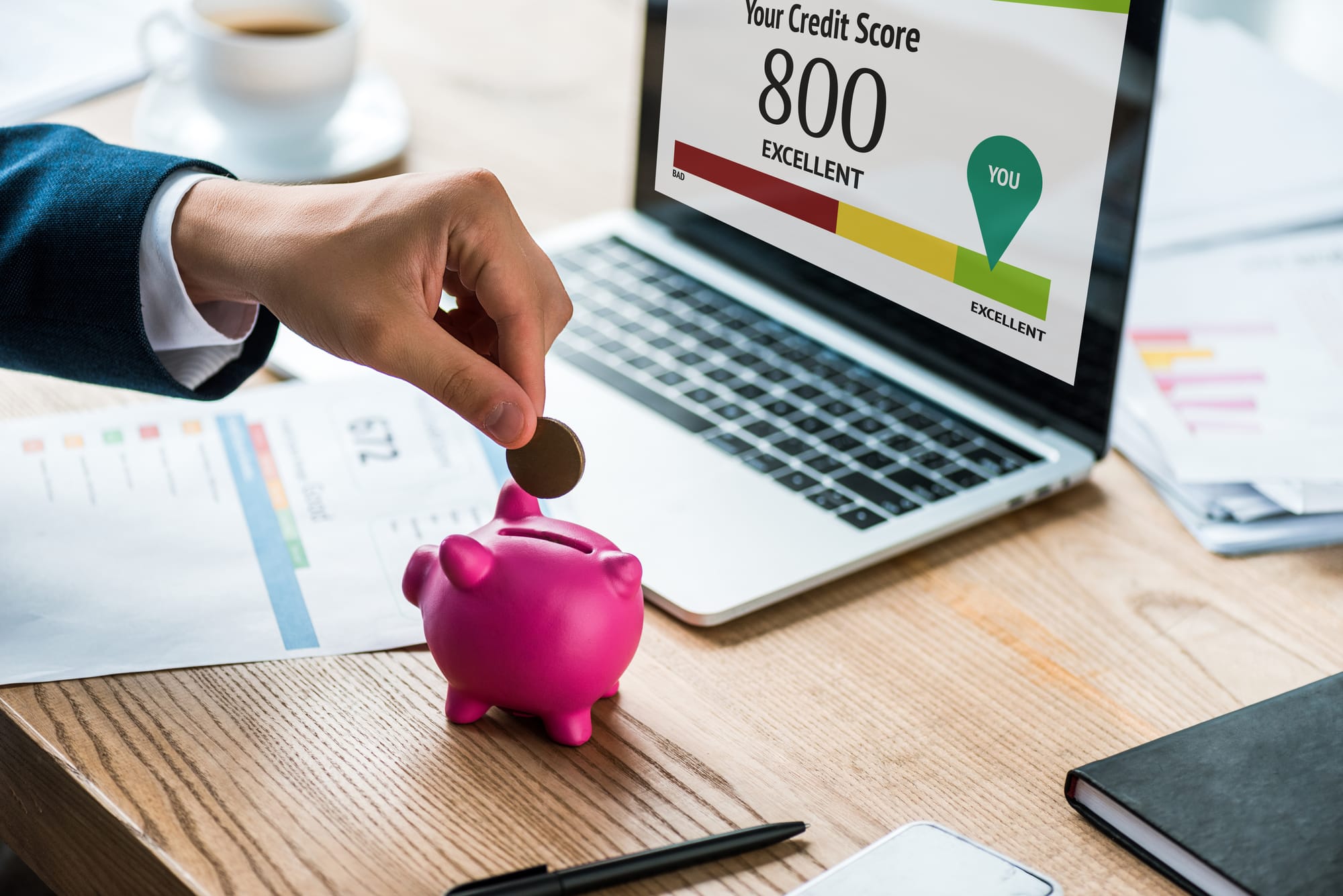
This topic matters because many households are still financially stretched. Bankrate’s 2026 Annual Emergency Savings Report found that 58% of U.S. adults say they have the same amount of emergency savings or less than a year ago, and Fidelity recently highlighted that report while stressing the importance of cash reserves in a period of sticky inflation and a weakening labor market.
At the same time, Bankrate reported in early 2026 that only 30% of Americans would pay a $1,000 emergency expense from savings, while 54% said inflation was causing them to save less.
That makes this a delicate balance. People need cash buffers more than ever, but that cash also needs to be placed intelligently.
The Better Question Is: What Is This Money For?
This is the simplest upgrade most readers can make.
Ask what each pile of money is actually meant to do.
If the money is for emergencies, keep it safe and accessible. If it is for a bill due soon, same idea. If it is money for a goal several years away, you may need to think beyond a basic savings account.
A lot of people keep every dollar in one place because it feels simple. But simple is not always strategic. Giving your money different jobs can make your whole financial life clearer.
Safety Still Matters, But So Does Structure
One reason people stay in low-paying savings accounts is fear. They worry about safety, online banks, or moving money at all.
That concern is understandable, but federally insured deposit accounts do offer protection. The FDIC says deposit insurance covers $250,000 per depositor, per FDIC-insured bank, per ownership category.
That means the conversation should not only be about risk. It should also be about structure. You can keep cash safe while still choosing a smarter account setup.
When Savings Becomes an Excuse
Sometimes a savings account does not just hold money. It holds hesitation.
People often tell themselves they are “being careful,” when really they are avoiding the next financial step. They delay opening an investment account. They postpone retirement contributions. They keep too much money in cash because investing feels complicated or emotionally uncomfortable.
That is where savings quietly becomes a trap.
A healthy savings habit should support your future, not become a reason you never move forward.
A Smarter Setup for 2026
A stronger system usually looks something like this: keep spending money in checking, keep your emergency fund in a high-yield savings account, and decide separately what money is meant for long-term growth.
That setup does two useful things. It keeps your cash available when you need it, and it reduces the chance that long-term money stays stuck in a low-growth parking spot by default.
You do not need a perfect system overnight. Even moving from a very low-rate account to a better savings option can be a meaningful first win, especially while the gap between average savings yields and top high-yield accounts remains so wide.
Final Thought
Your savings account is not the enemy.
But the wrong savings account, or the habit of leaving too much money in the wrong place for too long, can absolutely hold you back.
Saving should create stability. It should buy you flexibility. It should protect you from stress. But it should also fit into a bigger plan. If your money is safe but stagnant, it may be time to ask whether your savings account is helping your future or quietly slowing it down.