
Investing in Nature's Cleanup Crew: The Bioremediation Boom

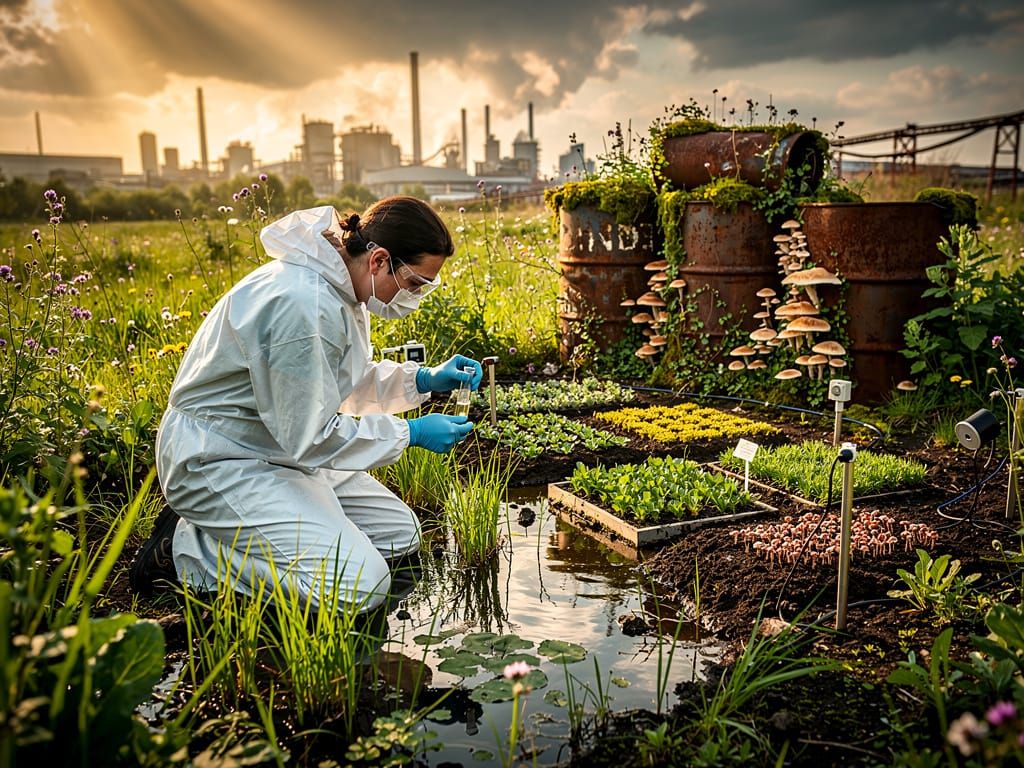
I spend most of my days looking at quarterly reports and dividend payout ratios. But lately, I've been thinking a lot about microbes. Specifically, microbes that eat pollution for breakfast. The field is called bioremediation, and it’s a simple idea: instead of using harsh chemicals to clean up industrial spills or contaminated groundwater, you use living organisms-bacteria, fungi, and plants-to do the job naturally.
It sounds like science fiction, but it's very real. And as environmental regulations get tighter, the market for cleaning up our collective mess is growing. The big question for me, as an investor, is how to actually put money to work here. It’s not like there’s a simple 'POLLUTION CLEANUP' ETF you can buy. You have to dig a little deeper, and when you do, you find two very different paths to take.
The Two Sides of the Bioremediation Coin
On one side, you have the high-flying specialists. These are the small, agile companies focused entirely on developing and patenting new bioremediation technologies. On the other, you have the established industrial giants who are slowly adding these green services to their massive portfolios. I’ve looked at both, and they represent a classic risk-versus-reward trade-off.

The Pure-Play Gamble
The pure-play companies are exciting. They live and breathe this technology. Their whole story is built on the promise that their patented microbe cocktail is better, faster, or cheaper than anyone else's. If they land a massive government contract to clean up a polluted river, their stock could easily go up 10x. It's the kind of explosive growth potential that gets headlines.
But I have to be straight with you-this is the wild side of the street. Many of these companies are small-cap or even micro-cap stocks. Their fortunes are tied to a handful of contracts or the success of a single technology. A lost patent dispute or a failed field trial can crater the stock overnight. It’s a binary bet. For me, the risk is that it's more speculation than investment.
- Direct Exposure: Your investment is tied directly to the success of the technology.
- Explosive Growth Potential: A single major contract can lead to massive returns.
- Acquisition Target: A successful small player is a prime target to be bought out by a larger company at a premium.
The Diversified Giant's Approach
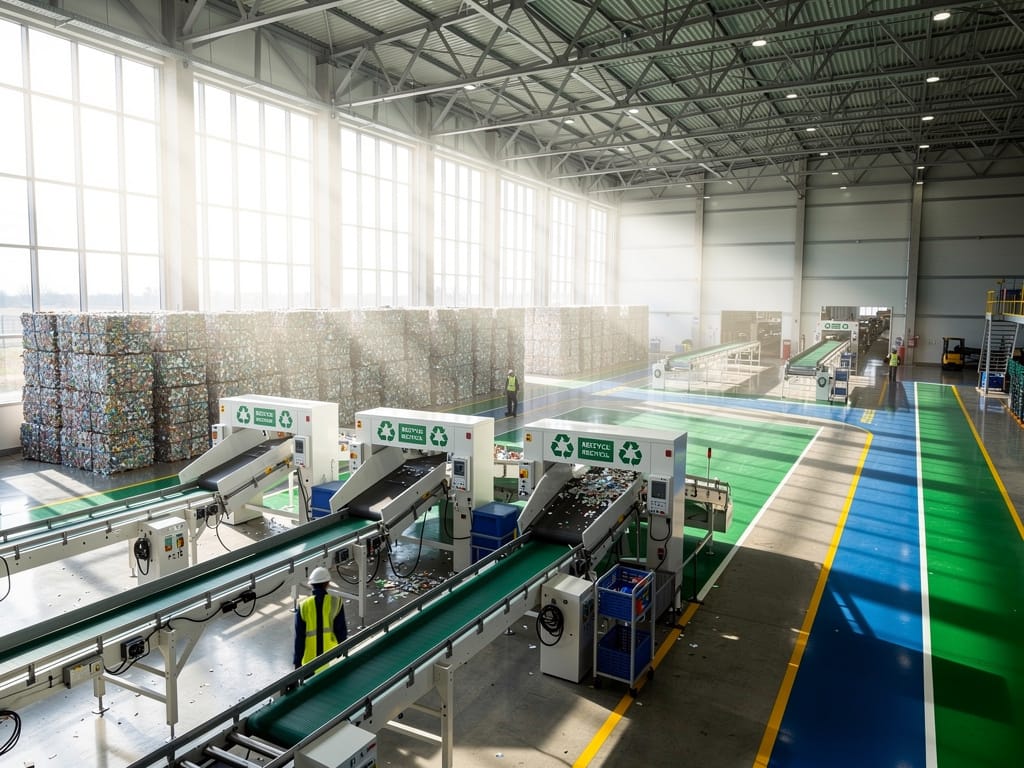
Then you have the big guys. Think about a company like Waste Management (WM) or Clean Harbors (CLH). These are massive, established businesses with diverse revenue streams. Cleaning up contaminated soil is just one of many things they do, alongside trash collection, recycling, and industrial waste disposal. They have the capital to invest in R&D or simply acquire a smaller, successful bioremediation firm.
The appeal here is stability. Take WM. The stock pays a dividend, currently yielding about 1.4%. A $10,000 investment would pay you $140 a year, and they've raised that dividend for 20 consecutive years. You get exposure to the cleanup trend, but it's cushioned by a fortress of a balance sheet. The downside is obvious-bioremediation is a tiny slice of their revenue pie. Even if that division doubles, it barely moves the needle for a company with a market cap over $90 billion. You're buying a battleship for one of its cannons.
- Lower Risk: The company's survival doesn't depend on one technology.
- Dividend Income: You often get paid to wait for the green-tech thesis to play out.
- Market Leadership: These companies have the scale, reputation, and client relationships already in place.
So where does that leave my own portfolio? I don't own a pure-play bioremediation stock right now. The risk profile is just too sharp for my taste, and I haven't found a company with the kind of long-term, locked-in contracts that would let me sleep at night. I was wrong about a similar bet I made in water purification a few years back, and I learned a hard lesson about getting swept up in a great story without a great balance sheet to back it up.
I do own Waste Management, but I didn't buy it for its cutting-edge green technology. I own it for the beautifully boring, recession-proof business of hauling trash and its ever-reliable dividend. For me, any growth they achieve in bioremediation is a free bonus, not the core reason for my investment. I'm watching a couple of the smaller specialists, but for now, they remain firmly on my watchlist, not in my buy list.
The real catalyst for this sector, in my view, won't be a single company's breakthrough. It will be government regulation. When environmental cleanup mandates become stricter and the penalties for non-compliance become more severe, the demand for these services will become locked in. That's when the contracts will get bigger and longer. And that's when I'll take a much harder look at the pure-play specialists again.
Subscribe