How Smart Money Profits From the De-Influencing Trend

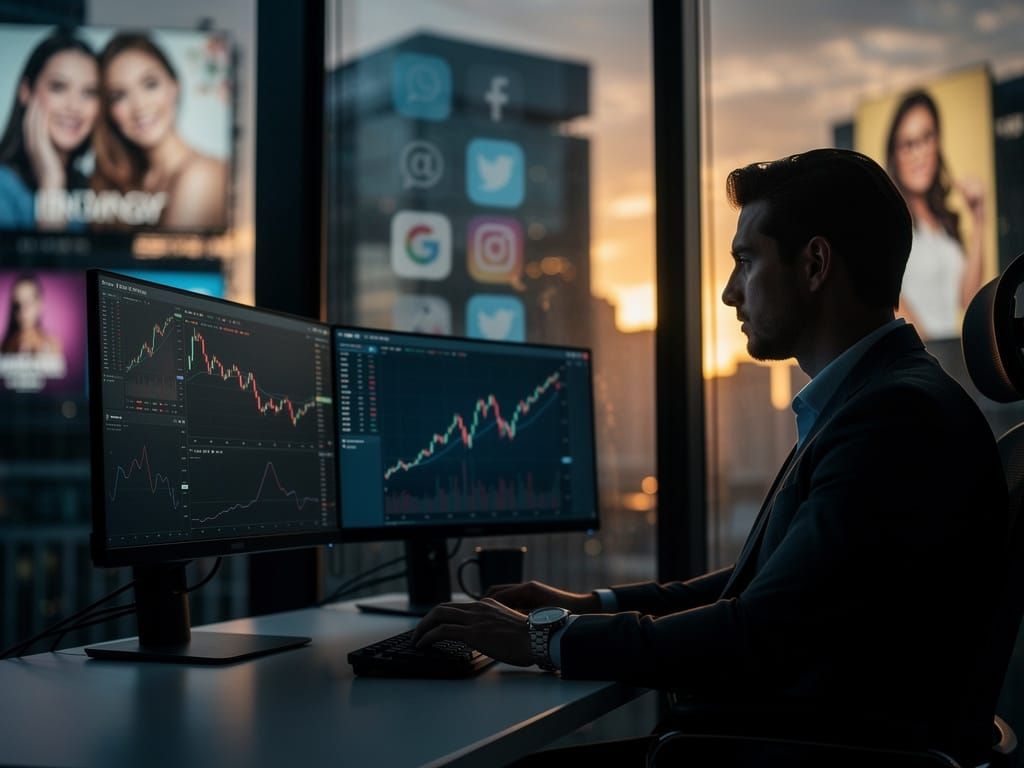
The hashtag #deinfluencing exploded with over 250 million views on TikTok in a matter of weeks. A user scrolls, their thumb pausing on a video. It isn't a glossy unboxing or a rave review. Instead, a creator looks directly into the camera and says, 'Do not buy this. It's not worth your money.' This small act of digital rebellion is more than a passing trend; it's a seismic shift in consumer trust, and savvy investors are already placing their bets on the fallout.
The End of the Authenticity Illusion
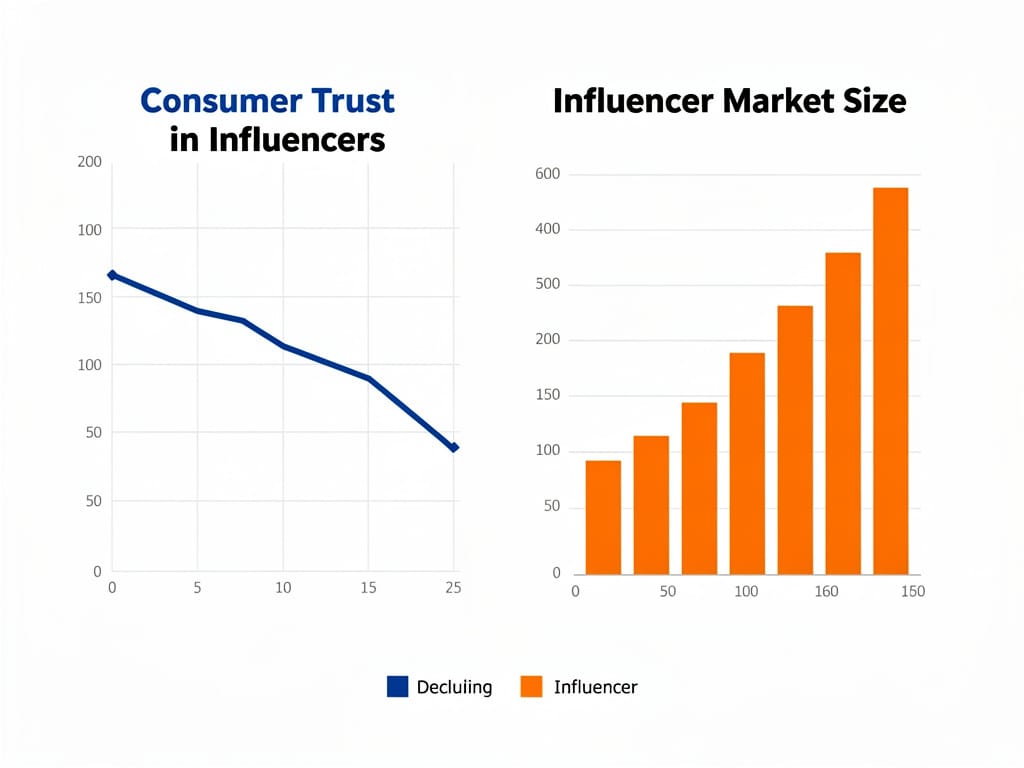
For years, the influencer marketing industry has been a rocket ship, growing to an estimated market size of $21.1 billion in 2023. But beneath the surface, a trust deficit was widening. Recent studies show that an astonishing 82% of consumers now believe that most sponsored influencer content is dishonest. De-influencing is the market's raw, unfiltered response to this credibility crisis. It's a grassroots movement where creators gain followers not by promoting products, but by telling people what *not* to buy, steering them away from overhyped, low-quality goods peddled by mega-influencers.
Follow the Money, Not the Followers
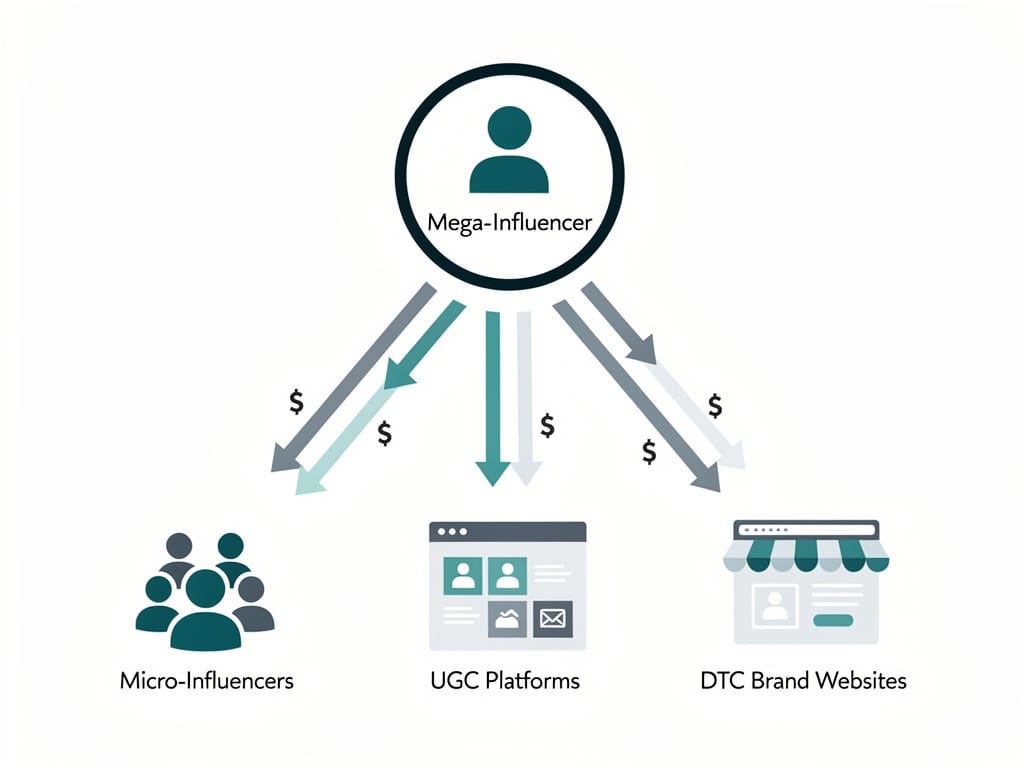
So, where is the smart money going as the traditional influencer model shows cracks? It's not abandoning social commerce; it's just getting smarter. Capital is flowing away from celebrity endorsements and toward more defensible, authentic marketing channels. For instance, brands are now heavily investing in nano-influencers (1,000-10,000 followers), who boast engagement rates that are, on average, 7 times higher than those of mega-influencers. The cost-per-engagement is lower, and the audience trust is significantly higher, creating a far more efficient return on investment.
This trend has also supercharged the 'dupe' economy-the market for affordable alternatives to high-end products. Online searches for the term 'dupe' have increased by over 40% year-over-year. Companies that can quickly manufacture and market quality alternatives are capturing a massive audience that feels burned by expensive, influencer-hyped disappointments. This is a direct financial consequence of de-influencing; consumers are actively seeking value, and businesses that provide it are winning.
- User-Generated Content (UGC) Platforms: Investment is pouring into tech companies that help brands collect and leverage authentic customer photos and videos. Brands using UGC have seen a 29% higher web conversion rate than those who don't.
- Transparent Brands: Companies with radical transparency in their pricing, sourcing, and product reviews are gaining market share. A Label Insight study found that 94% of consumers are more likely to be loyal to a brand that offers complete transparency.
- Affiliate Marketing Reinvented: The affiliate market, projected to reach $15.7 billion by 2024, is also shifting. The focus is moving to platforms that reward honest, in-depth reviews rather than simple click-throughs from a sponsored post.
- Expert-Led Communities: Money is backing 'expert influencers' - dermatologists, certified financial planners, and skilled tradespeople whose credibility is rooted in professional expertise. A staggering 88% of consumers trust online reviews from experts as much as personal recommendations.
The New Profit Equation: Community Over Clout
The de-influencing wave is forcing a necessary market correction. It signals a pivot from 'renting' a celebrity's audience to 'owning' a direct relationship with a community built on trust. While 93% of consumers say online reviews impact their purchasing decisions, the source of that review now matters more than ever. The financial winners will be the companies that understand this distinction and invest in fostering genuine customer advocacy and building products that speak for themselves, no paid promotion necessary.
Ultimately, the de-influencing trend reveals a clear path for smart capital. The profit is no longer in manufacturing hype but in cultivating trust. Investors are analyzing companies based on their customer loyalty metrics, repeat purchase rates, and the strength of their organic community buzz. The most profitable strategy is to back businesses that don't need to pay someone to say they're great, because their actual customers are already doing it for free. This isn't the death of influence; it's the monetization of authenticity.
For anyone looking to build wealth, the lesson is clear: follow the trust. Whether you're investing in stocks or building your own business, the data shows that long-term value is intrinsically linked to credibility. The brands and platforms that prioritize genuine connection over paid clout are the ones poised for growth. The de-influencing movement isn't just a hashtag-it's a balance sheet correction, and the smart money has already taken notice.