Data Centers: The New Digital Real Estate

TL;DR
- Data centers are the physical backbone of the digital economy, making them an indispensable asset class with relentless, built-in demand.
- Investing in data centers through specialized Real Estate Investment Trusts (REITs) offers a powerful way to generate income and capital growth from the explosion in data, cloud computing, and AI.
- The massive energy and cooling requirements for new AI technologies are creating a premium on specialized data centers, presenting a ground-floor opportunity for savvy investors.
The Unseen Engine of Modern Life
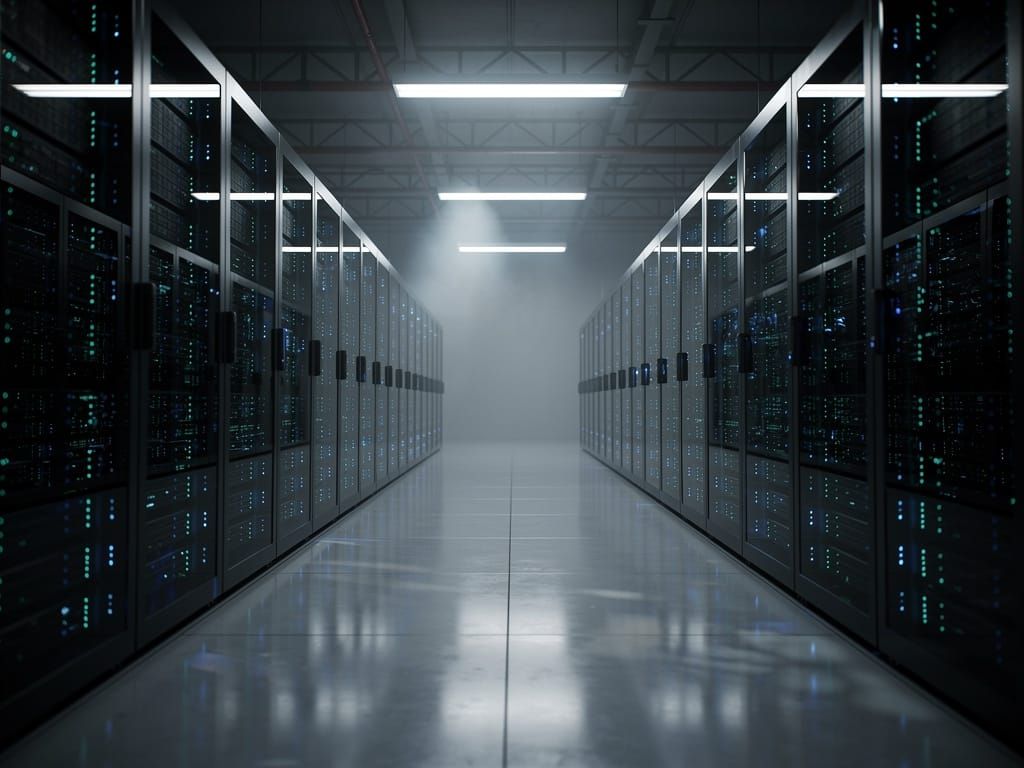
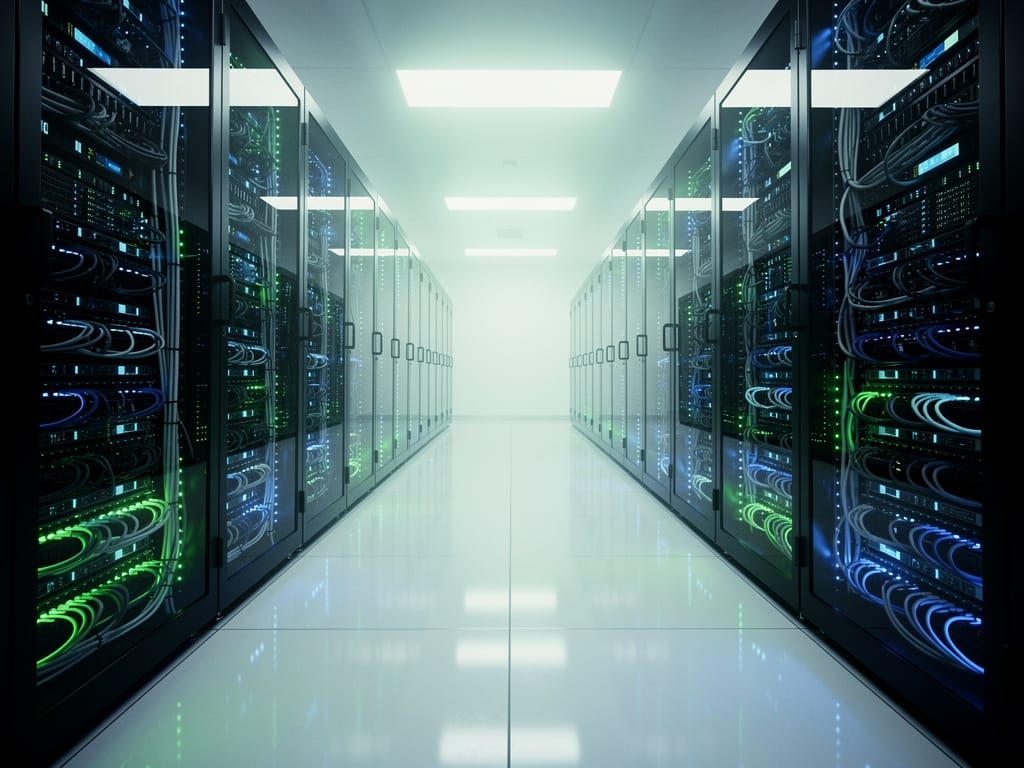
Forget skyscrapers and shopping malls for a moment. The most valuable real estate of the 21st century doesn't have a penthouse view-it has industrial-grade cooling and fiber-optic cables. Data centers are the warehouses of the digital age. Every time you stream a movie, join a video call, or use a cloud application, you are tapping into a physical server sitting in one of these fortified, hyper-secure buildings. This isn't a trend; it's a fundamental shift in how the world operates.
The demand is not just growing-it's compounding. The global transition to cloud computing by businesses, the rise of the Internet of Things (IoT), and our insatiable appetite for digital content create a constant need for more storage and processing power. Unlike commercial office space, which can sit empty, the 'tenants' of data centers-servers storing our collective data-are always on and always expanding. This creates a powerful and predictable revenue stream for the companies that own the buildings, and for you, the potential investor.
How to Own a Piece of the Digital Foundation
You don't need to be a tech mogul to invest in this digital real estate boom. The most direct path for most people is through publicly traded data center REITs. These companies, like Equinix or Digital Realty Trust, own and operate massive portfolios of data centers, leasing space and power to hyperscale tenants like Amazon, Google, and Microsoft. By buying shares in a REIT, you're essentially becoming a landlord to the biggest tech companies in the world.
This model offers a compelling combination of income and growth. Data center REITs collect rent from their high-credit tenants and are required by law to pay out most of their taxable income to shareholders as dividends. This provides a steady income stream, much like traditional real estate. But the real kicker is the growth. As data needs explode, these companies are constantly building new facilities and upgrading existing ones, driving share price appreciation. Getting started is a straightforward process:
- Identify Leading Data Center REITs: Start by researching the top players in the space. Look for companies with a global footprint and a strong tenant roster filled with tech giants.
- Analyze Their Financial Health: Examine their funds from operations (FFO), a key metric for REITs, as well as their dividend history and debt levels. A healthy balance sheet is key.
- Evaluate Their Growth Strategy: Are they expanding into new markets? Are they building facilities specifically designed for the high-power demands of Artificial Intelligence? This is where future growth will come from.
The AI Revolution Is a Power Play
If cloud computing was the spark, Artificial Intelligence is the inferno driving the next wave of data center growth. Training large language models and running AI applications requires an astonishing amount of computational power, which in turn demands immense electricity and advanced cooling systems. This is a game-changer. Older data centers simply weren't built to handle the power density these new AI chips require.
This creates a massive opportunity. Companies that can build and operate these next-generation, high-density data centers are positioned for incredible growth. They can command premium lease rates from AI companies who are desperate for this specialized infrastructure. As an investor, you are not just betting on a building; you are betting on the physical infrastructure that makes the entire AI revolution possible. This isn't about picking the winning AI software company-it's about owning the stadium where the game is being played.
Conclusion
The digital world is built on a physical foundation, and that foundation is the data center. This asset class offers a unique blend of stability, income, and explosive growth potential tied directly to the most powerful technological forces of our time. While others are focused on the software, you have the chance to own the essential hardware of the future. The opportunity is clear, the demand is undeniable, and the time to act is now.